Loading...
Serving Deltona, FL and surrounding areas. (386) 296-0026
Florida sun, daily summer rain, and oil drips wear through unsealed concrete fast. A proper sealer keeps water out, stops stains from soaking in, and extends the life of your driveway, patio, or garage floor.
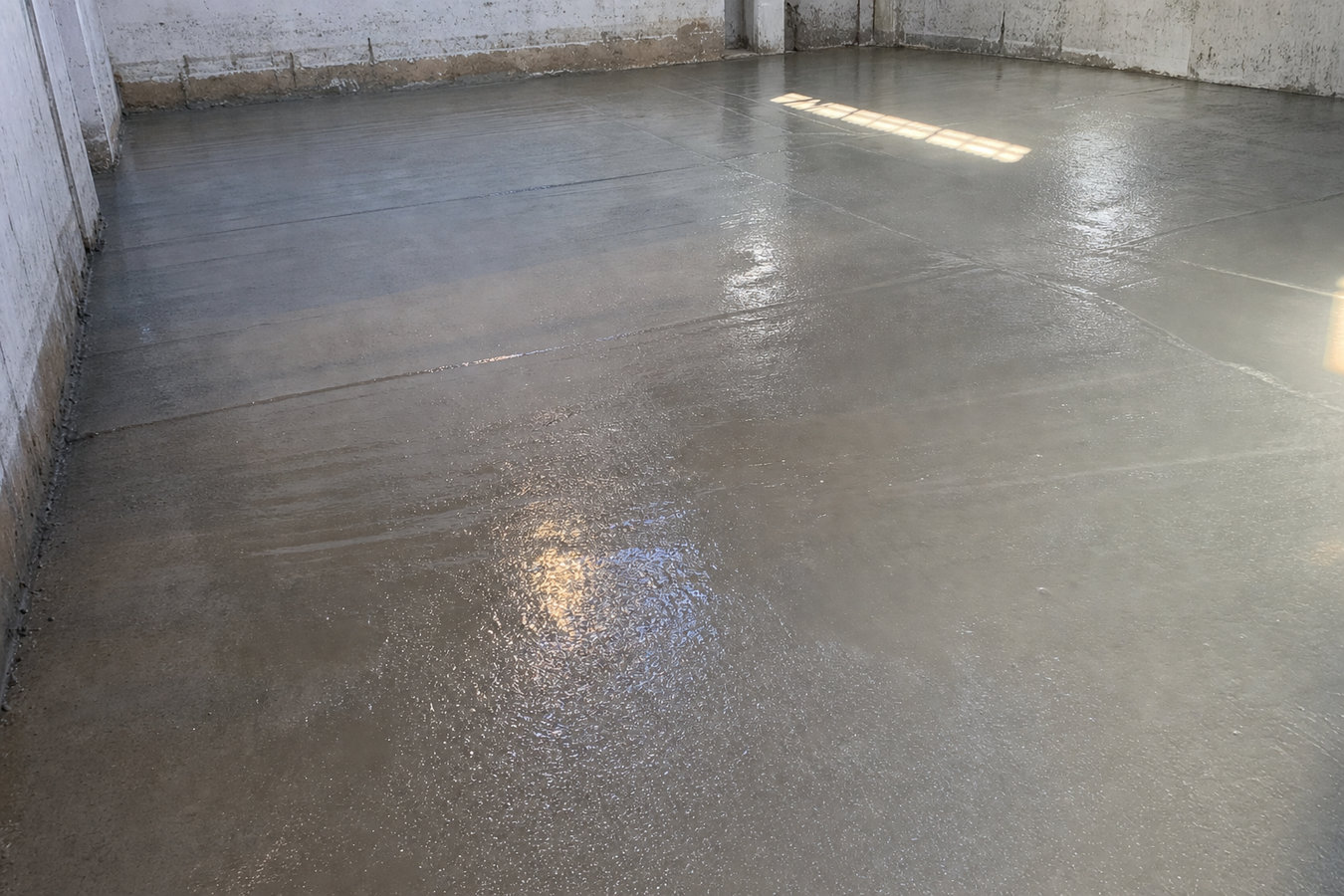
Concrete sealing in Deltona puts a thin protective layer over your driveway, patio, or garage floor that blocks water, oil, and stains from soaking in - most residential applications take a few hours to apply, with 24 to 72 hours of curing time before the surface returns to normal use.
Think of it like a raincoat for your concrete. Unsealed concrete is porous - it absorbs every drop of rain, every oil drip from a vehicle, and every bit of fertilizer runoff that lands on it. Over time that absorption leads to staining, surface flaking, and cracks that are more expensive to fix than a routine sealing job would have been. In Deltona, where summer storms arrive almost daily and the UV index is high year-round, concrete that is not properly sealed deteriorates noticeably faster than in cooler, drier climates. Our concrete resurfacing and overlays service handles situations where the surface has already deteriorated and needs more than sealing alone.
Before any sealer goes down, the concrete must be completely clean and dry. A contractor who does not pressure wash, address oil stains, and check for moisture before sealing is setting you up for a cloudy, peeling finish. Proper prep is what separates a sealing job that lasts two to three years from one that starts failing in six months.
Pour a small cup of water on your driveway or patio. If it soaks in within a minute or two rather than sitting on top and beading, the sealer has worn through. This is the clearest sign that your concrete is no longer protected and is absorbing whatever lands on it - including oil, fertilizer runoff, and Florida's acidic rain.
In Deltona's humid climate, moisture can work its way into unsealed concrete and leave behind white or chalky patches as it evaporates. If you notice these marks appearing after rain or heavy dew, water is getting into the surface. That repeated wetting and drying will cause the concrete to flake and crack over time.
Sealed concrete keeps oil near the surface where it can be cleaned up. Once the sealer wears away, stains go straight into the material and become permanent without professional treatment. If vehicle drips are leaving dark marks that stay even after cleaning, the sealer is gone and the concrete is absorbing everything that lands on it.
Concrete that was once sealed gradually loses its sheen, especially in spots where you walk or park regularly. If your driveway or patio looks noticeably duller in some areas than others, or the color has faded unevenly, the protective layer has worn thin. Resealing before the surface itself starts to deteriorate is far less expensive than repairs later.
Every sealing job starts with a proper surface assessment. We check for cracks that need filling, old sealer that is peeling and needs to come off, oil stains that require degreaser treatment, and whether the concrete is dry enough to work with. That assessment is what determines how much prep work is involved - and prep is often what separates a sealing job that lasts three years from one that starts peeling in six months. We pressure wash the surface, treat any stains, fill cracks, and let everything dry completely before any sealer is applied. We also offer concrete grinding and surface preparation for situations where old sealer buildup or surface damage needs to be removed before a new coat can bond, and concrete resurfacing and overlays when the underlying surface has deteriorated beyond what sealing alone can address.
For Florida applications, product choice matters. Not all sealers hold up equally under intense UV, high humidity, and daily rain cycles. We use products rated for Central Florida's climate - not generic sealers that break down in a season. For outdoor surfaces near pools or on sloped driveways, we discuss slip resistance and finish options with you before the product is chosen. After the job, we walk the finished surface with you and give you a clear maintenance schedule so you know exactly when to plan the next application.
Soak into the concrete and protect from within without changing the appearance - suited to driveways and patios where a natural look is preferred.
Create a surface layer that adds sheen and color enhancement - a popular choice for garage floors and decorative interior slabs.
Specifically designed for Florida's sun intensity - do not break down as quickly under high UV exposure as standard residential sealers.
Texture additives mixed into the sealer maintain traction on wet surfaces - recommended for pool decks, sloped driveways, and covered patios.
Deltona sits in Volusia County in Central Florida, where summer temperatures regularly reach the low-to-mid 90s and the sun is strong even in winter. That constant UV exposure breaks down sealers faster than in cooler climates - most Deltona homeowners find their sealer is worn through in two to three years rather than the four to five years a homeowner in the Midwest might see. The rainy season, which runs roughly June through September, brings daily afternoon thunderstorms that push water into unprotected concrete every day for four months straight. Deltona was also developed rapidly from the 1980s through the 2000s, meaning a large share of driveways and patios are now 20 to 40 years old - concrete in that age range has often had its original sealer break down entirely. Homeowners near DeBary and Orange City face the same climate conditions, and we seal concrete across the whole Volusia County service area.
Timing a sealing job in Deltona matters more than most homeowners realize. The dry season - roughly October through May - is the practical window, because concrete must be completely dry before sealing and must stay dry for at least 24 hours afterward. A rain shower during that curing window can turn a clean sealing job into a cloudy, hazy mess that has to be stripped and redone. Scheduling in the fall or early winter also means the surface is not baking in peak summer heat during application, which helps the sealer cure evenly. The Portland Cement Association and the American Concrete Institute both publish guidance on sealer selection and application conditions that local contractors follow for work in climates like Florida's.
Tell us the surface you want sealed and roughly how large it is - a few photos help if you can send them. We reply within one business day and either quote from photos or schedule a free on-site visit. No charge, no obligation.
Before any sealer goes down, we assess the concrete up close - checking for cracks, old sealer buildup, oil stains, and whether the surface is dry enough to work with. This step determines how much prep is involved and affects the final price. We tell you what we find before any work starts.
On the day of the job, we pressure wash the entire surface and treat any stains. The surface needs to dry completely before sealing, which means keeping vehicles and foot traffic off the area. Rushing this step is the most common reason sealing jobs fail early.
Once clean and dry, the sealer goes on in thin, even coats. The crew works methodically to avoid lap marks or thick spots. Plan to keep the area clear for at least 24 hours for foot traffic and 48 to 72 hours for vehicles - in Deltona's humidity, your contractor may recommend toward the longer end of that range.
Spots fill up fast in the fall and winter dry season. Get a free estimate now and go into Florida's summer storms protected.
(386) 296-0026Florida's sun intensity breaks down standard sealers faster than the label suggests. We use products specifically rated for high UV exposure and humidity, which means you get the full two to three years of protection you are paying for - not a surface that starts fading and peeling before the next summer arrives.
Pressure washing, stain treatment, crack filling, and moisture checking are part of every job we do - not optional add-ons discovered on the day of work. A sealer applied to a surface that was not properly cleaned will look bad within months. We do the prep correctly because it is the only way the sealer holds up.
Deltona's afternoon thunderstorms make summer sealing genuinely risky - rain on fresh sealer ruins the job and requires a full redo. We schedule sealing work during the dry season and check both the weather forecast and surface moisture before any product goes down. That discipline is what keeps the finish clean and the warranty valid.
We walk the property, tell you what prep is needed and why, and give you a written number before any work starts. That is the number you pay. Homeowners in Deltona have told us repeatedly that this is not as common as it should be - we make it standard practice on every job.
Sealing is the most cost-effective concrete maintenance you can do in Florida, and it works best when done on schedule rather than after damage has already set in. Every job we complete in Deltona comes with a clear maintenance recommendation so you know exactly when to plan the next application.
When sealing is not enough - resurface a worn or damaged slab with a fresh overlay before protecting it.
Learn MoreRemove old sealer buildup, adhesive, and failed coatings so the new sealer bonds to clean concrete.
Learn MoreCall today or request a free estimate online - dry season booking fills up fast, and we reply within one business day.